SSO for Moodle
Overview
Akku, developed by CloudNow Technologies, is a robust Identity & Access Management (IAM) solution designed to streamline user provisioning, access management, and activity monitoring throughout the user lifecycle. It offers administrators the tools to efficiently manage user privileges and ensure data security in cloud environments. With Akku, organizations can confidently embrace cloud technology while maintaining compliance with standards and regulations. Its comprehensive features enable seamless onboarding, secure authentication, a single point-of-access to all applications, enforcement of access policies, and monitoring of user activity to detect and respond to security threats effectively while enhancing the user experience significantly. By prioritizing data security, privacy, and compliance, Akku provides users with peace of mind while improving overall productivity. With its flexible and scalable architecture, Akku is well-equipped to meet the evolving needs of modern organizations in managing their identity and access requirements.
Introduction
Moodle SAML SSO with Akku provides a secure and reliable method for authenticating users. To set it up, you'll need a Moodle account, an Akku account, and the SAML SSO Integration feature enabled. First, configure your Akku instance by adding the Moodle SAML SSO app and specifying the required fields. Then, grant Akku permission to access your Moodle domain. Next, set up the SAML request URL and authentication URL in your Akku instance. Finally, test your integration to ensure seamless authentication for your users.
Configure Moodle for SSO
The steps listed below provide instructions on adding the Moodle application from the QuickLaunch App Store and configuring SAML SSO for the added application
Log in to Akku's Administration Console
Log in to Akku's Administration console with your tenant URL.
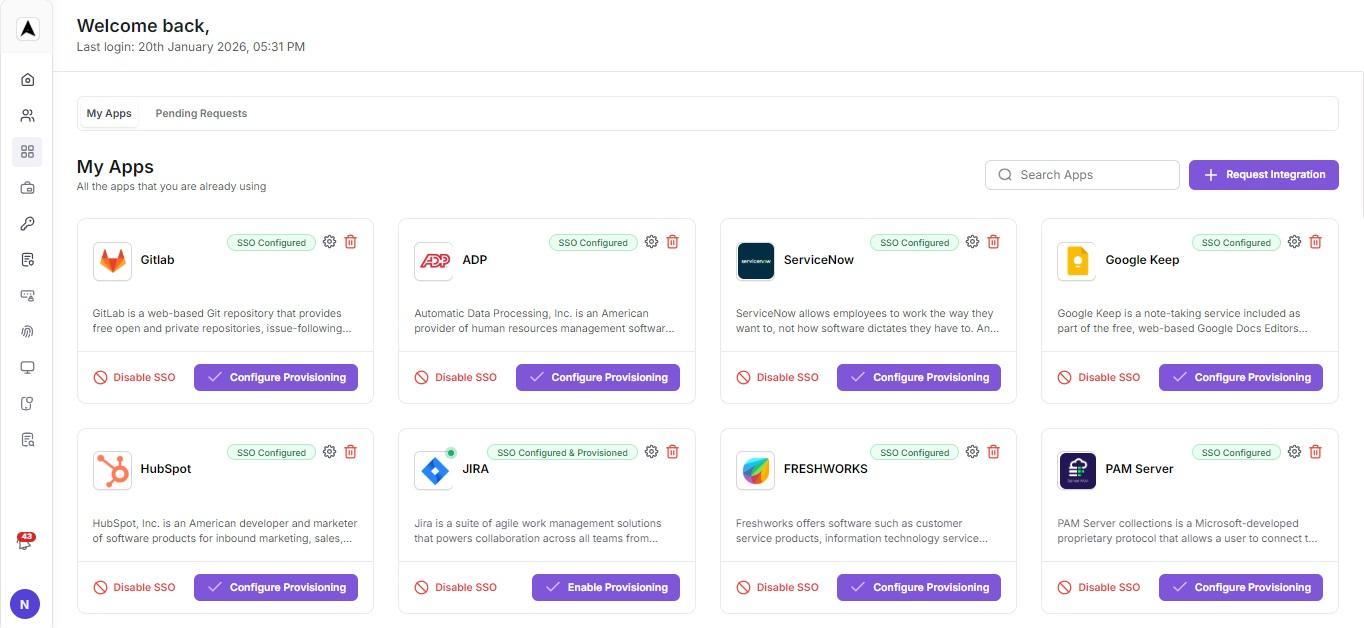
Navigate to App Management
Navigate to App Management and search for Moodle.
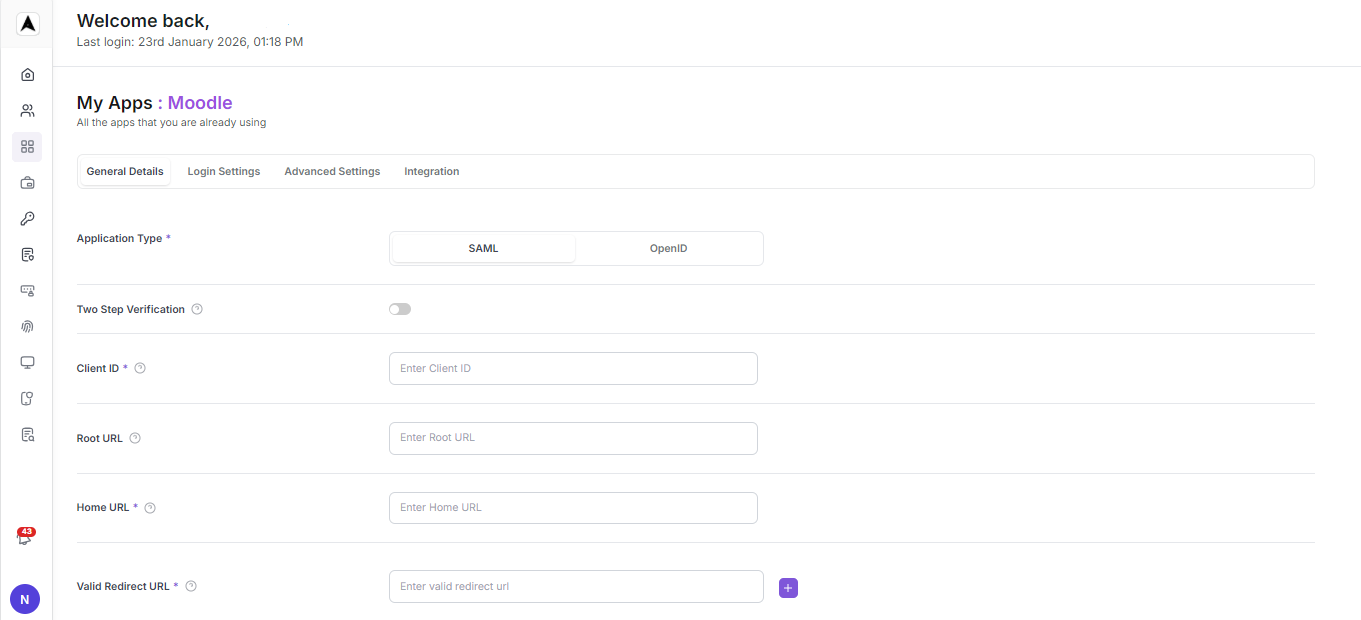
Configure Moodle App
Click 'Setup/configure SSO' on the Moodle App and configure the necessary information based on the Moodle metadata file.
Download AKKU Metadata
Navigate to the Integration Tab and click on the SAML 2.0 Identity Provider Metadata to download the AKKU metadata and extract the Entity ID and the SSO target URL.
Install SAML Plugin in Moodle
To configure the Moodle with SAML SSO Plugin:
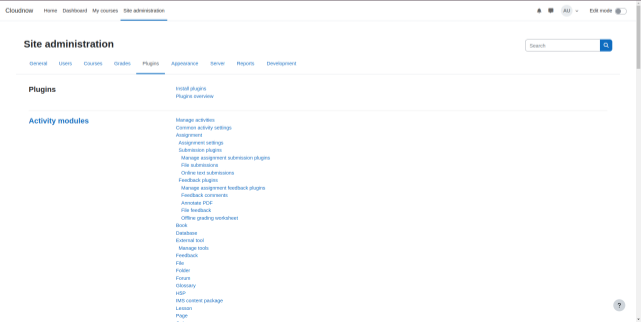
- Log in to the Moodle admin account under the Site Administrator tab. Navigate to Plugins.
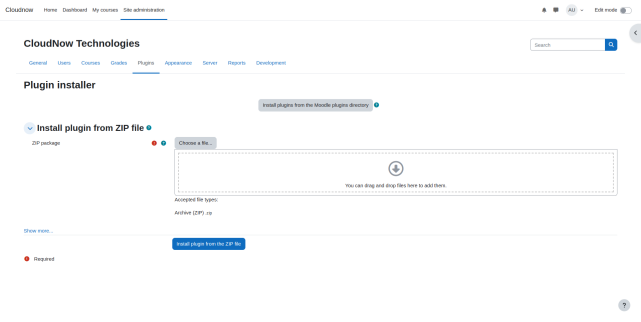
- Under the Plugin installer tab, click the Install plugins from the Moodle plugins directory Button, which will redirect you to the Moodle official plugin marketplace.
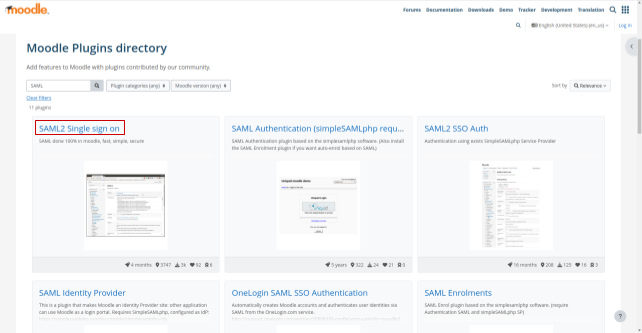
- In the search bar, search for the SAML plugin and download the first plugin.
- Once the plugin is downloaded, drag and drop the plugin to the Plugin installer and Click the "Install plugin from the ZIP file" button to install the SAML plugin mentioned in the above step.
Access SAML2 Configuration
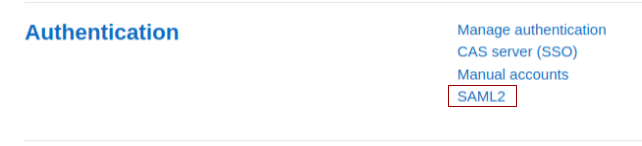
Once the plugin is installed, you can find a SAML2 feature under the Authentication tab. Select the plugin to configure the AKKU IDP.
Configure SAML2 Settings
The SAML2 tab will be opened as mentioned in the last step. Fill in the IDP metadata fetched from the AKKU IDP as mentioned in step 3. And also set the IDP label to AKKU which is optional.
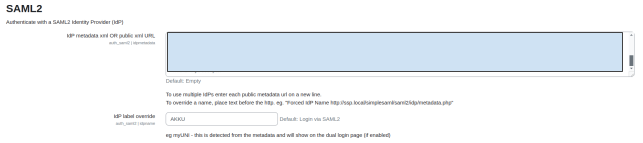
- Under the NameID Policy, change it to the emailAddress (default it will be transient).
- Set the Expose NameID as an attribute as YES.
- Add a Mapping IDP to send the email as an attribute in the SAML request.

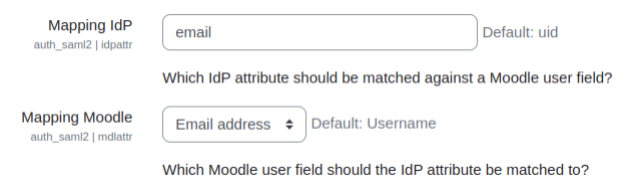

Download SP Metadata
After completing all the configurations mentioned in the above step. Finally, download the SP side metadata by clicking the download url to configure the AKKU IDP.

Set SAML2 Authentication Method
Under the user menu choose the SAML2 authentication method to use the SAML feature that is configured.
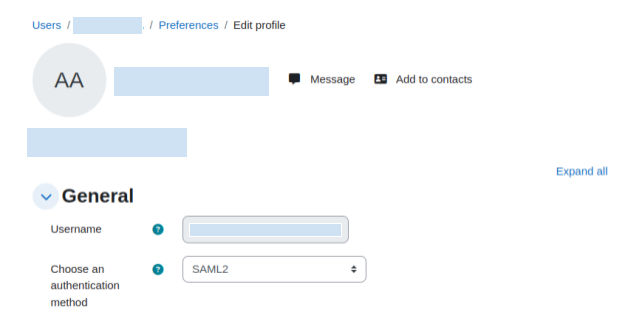
Configure AKKU based on Moodle Metadata
Configure Akku with the metadata from Moodle
Log in to Akku's Administration Console
Log in to Akku's Administration console with your tenant URL.
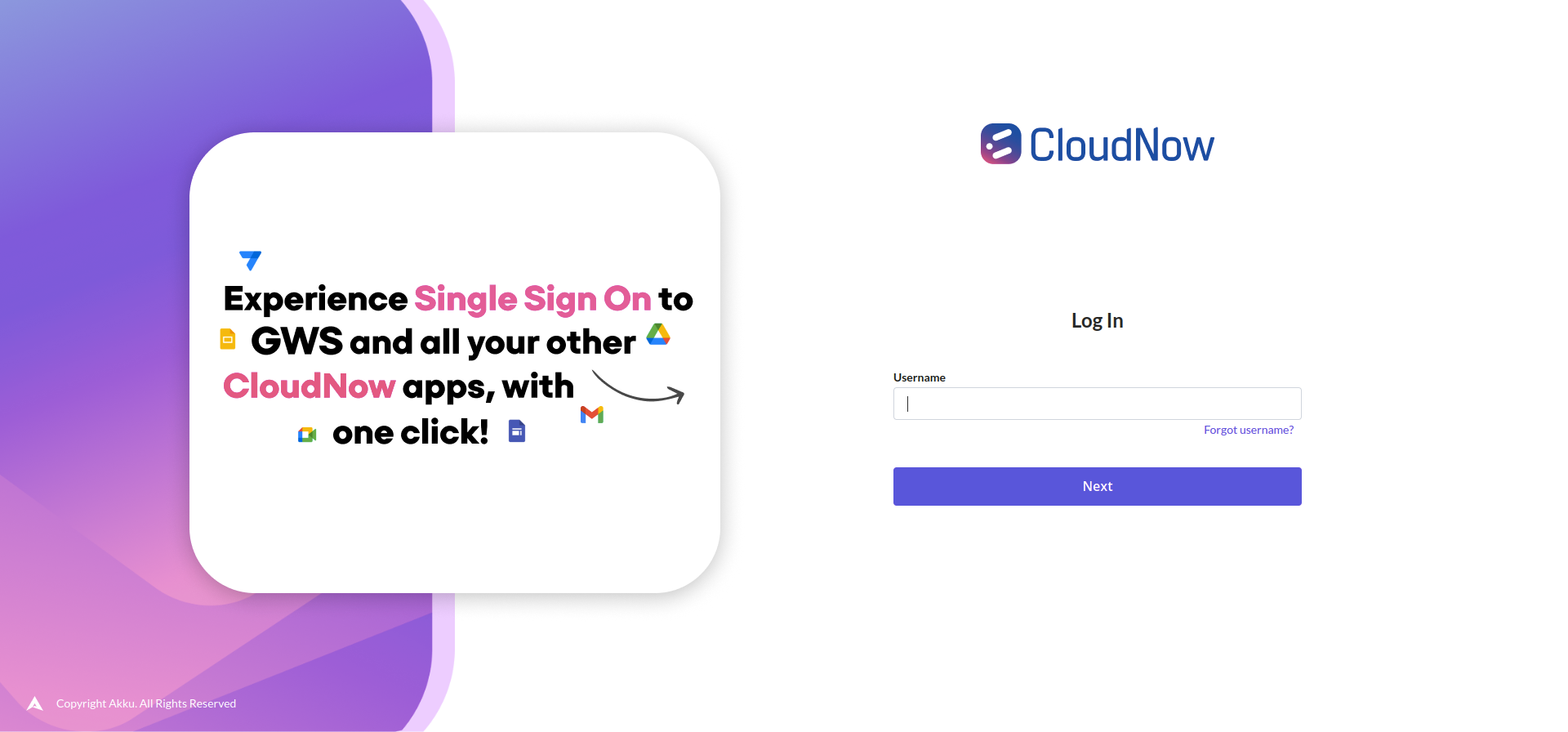
Navigate to App Management
Navigate to App Management and search for Moodle.
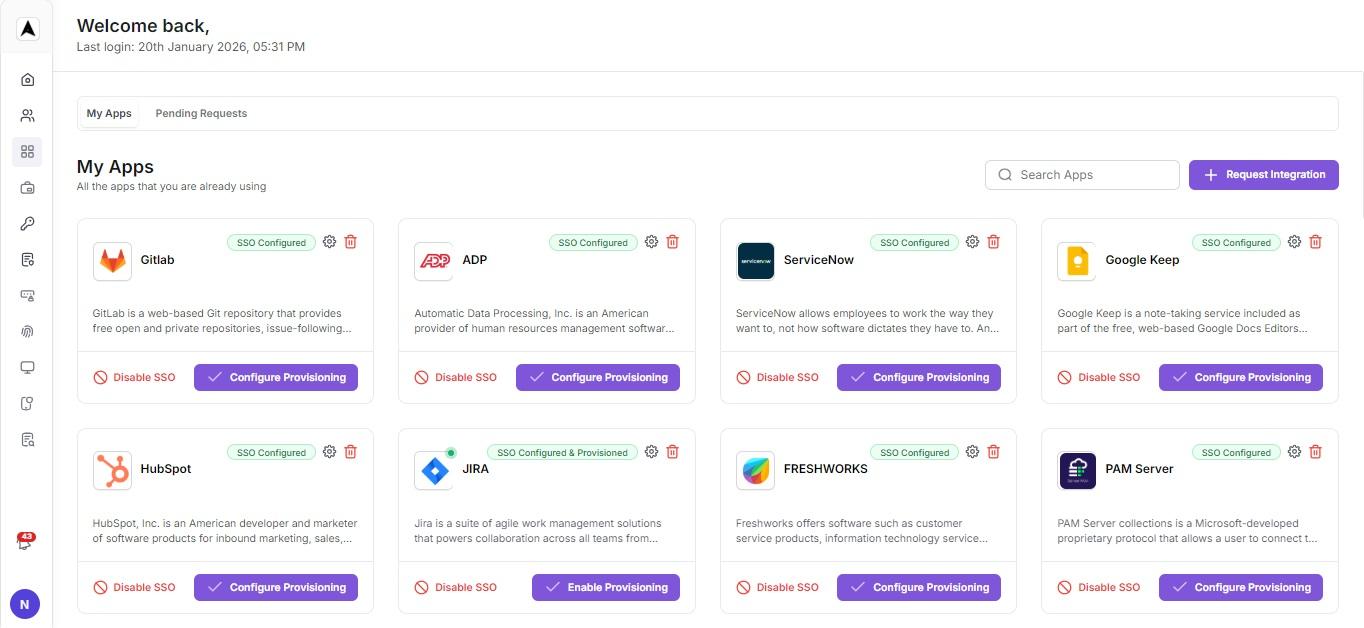
Configure SSO Settings
Click 'Setup / Configure SSO' on the Moodle App and configure the necessary information based on the Moodle metadata file.
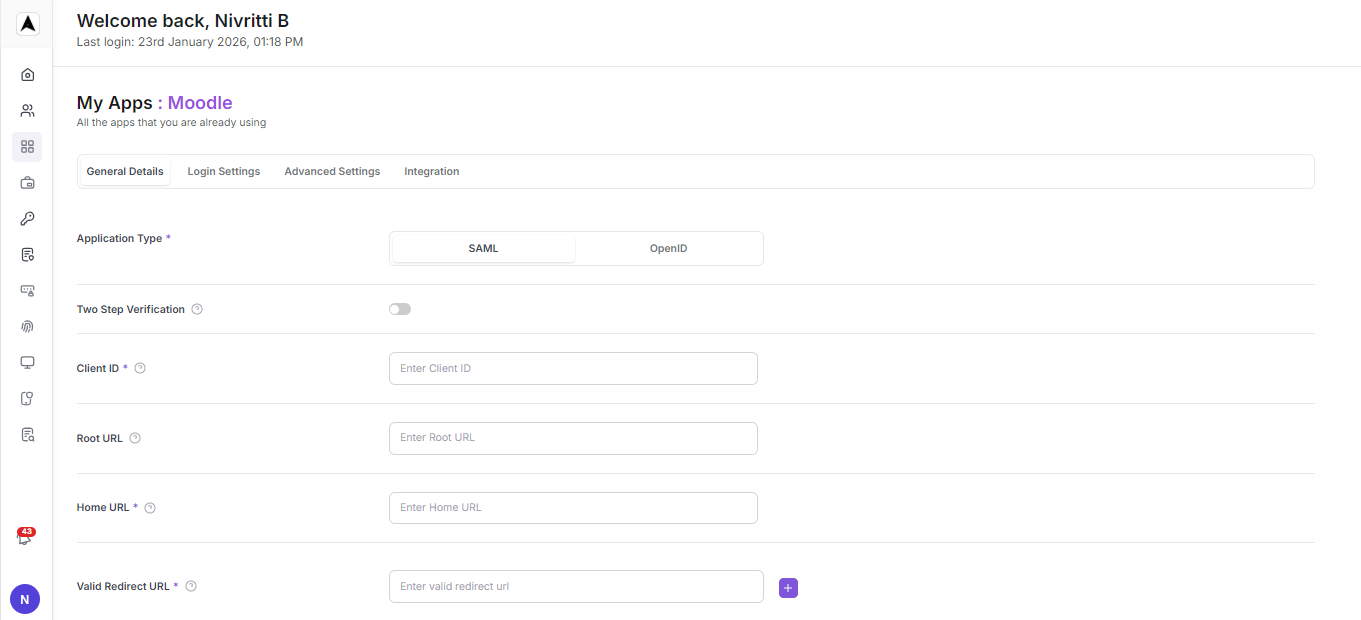
Fill in Entity ID and ACS URL
Fill in the Entity ID and ACS URL in the configuration tab using the URLs copied from Moodle metadata. The URLs mentioned below are a sample one so use the value that has been fetched from your SP metadata.
Client ID
http://localhost/moodle/auth/saml2/sp/metadata.php

Home URL
http://localhost/moodle/

Valid redirect URL
http://localhost/moodle/*

Valid post logout redirect URI
http://localhost/moodle/auth/saml2/sp/saml2-logout.php

Assertion Consumer Service POST Binding URL
http://localhost/moodle/auth/saml2/sp/saml2-acs.php

Assertion Consumer Service Redirect Binding URL
http://localhost/moodle/auth/saml2/sp/saml2-acs.phpAKKU Admin Side Configuration
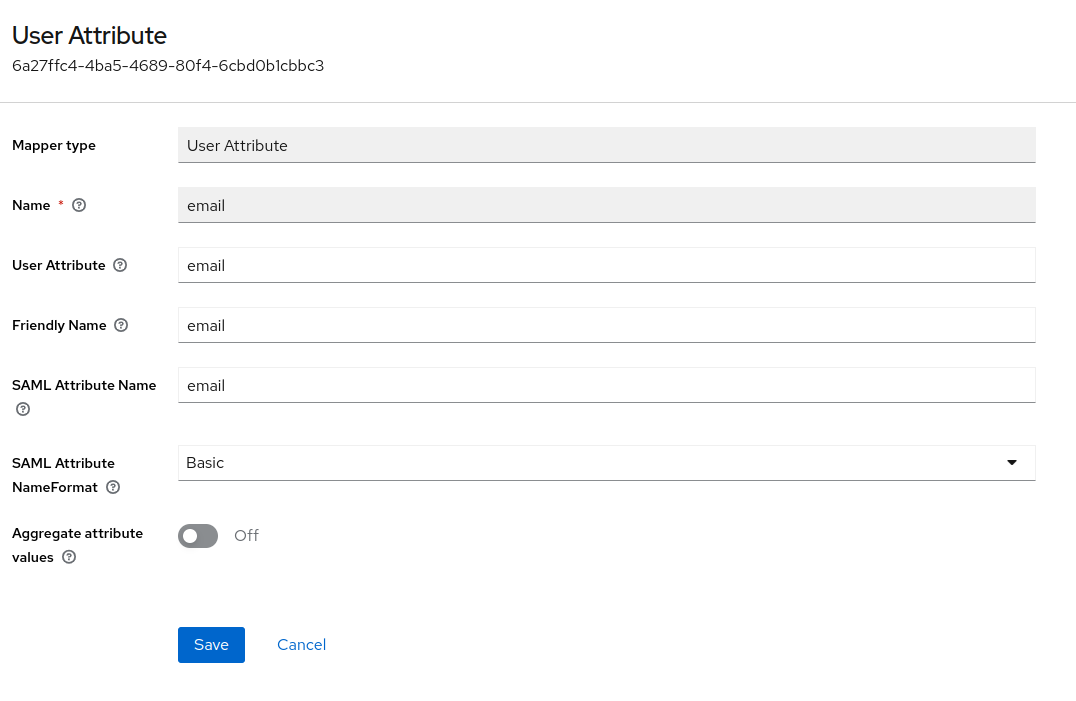
Add a User Attribute in KC.